
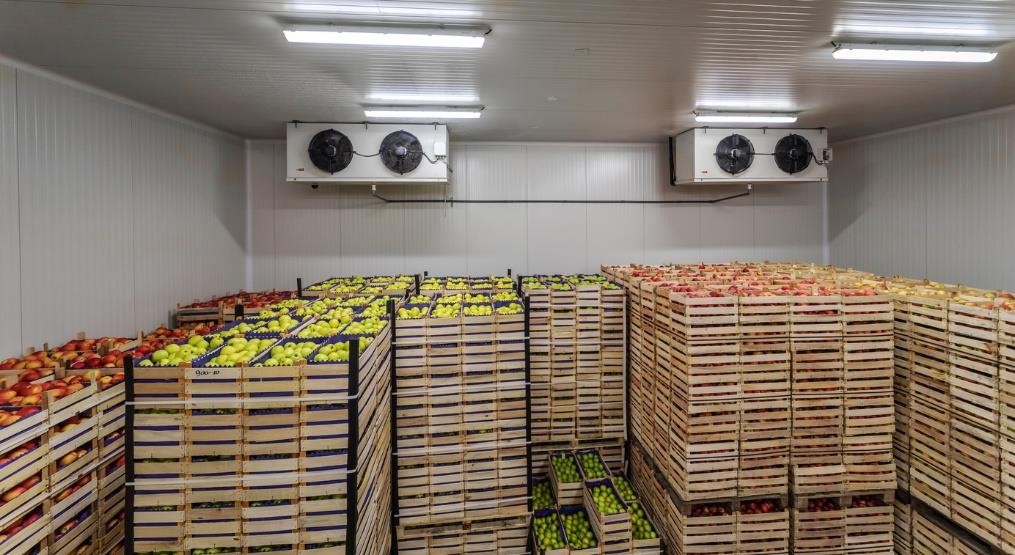
Importing and exporting fresh produce
Fresh fruit, vegetables and plant products can face customs, plant-health and food-quality controls when moved between the UK, Ireland, the EU and non-EU countries. The correct process depends on the commodity, its country of origin, the country of dispatch and the final destination, not simply the route the vehicle takes.
What counts as fresh produce or a plant product?
For import-control purposes, fresh fruit, vegetables, potatoes, herbs, cut flowers, plants for planting, seeds, grain and certain other plant-origin goods can be regulated as plant products. The rules exist to prevent harmful pests and plant diseases entering or spreading within the UK or EU.
A phytosanitary certificate is the key plant-health document for many controlled consignments. It is issued by the National Plant Protection Organisation in the exporting country and confirms that the consignment has met the destination country's plant-health requirements. Requirements vary by product, botanical name, origin and risk category, so importers should confirm the position before goods are packed or shipped.
Alongside plant-health requirements, fresh produce must meet applicable customs, food-safety, traceability, labelling and marketing-standard rules. A correct commodity code, commercial invoice, packing list, transport document, customs declaration and evidence of origin will usually be required.
Importing fresh produce into Great Britain
Imports from the EU and Switzerland are currently treated differently from imports arriving directly from the rest of the world. Fresh fruit and vegetables imported from the EU to Great Britain are temporarily treated as low-risk for plant-health purposes, so they do not currently require plant-health controls. Marketing-standard controls for EU produce are not expected before 1 February 2027. This is a temporary policy position, so monitor official updates before planning future supply chains.
For produce imported directly from non-EU countries, the process is more complex. Many medium-risk fruit and vegetable consignments require the importer to register on IPAFFS, obtain a phytosanitary certificate from the supplier's national plant-health authority, and pre-notify the relevant UK authority. Goods may be selected for documentary, identity or physical inspection at a Border Control Post or Control Point.
Produce subject to the Specific Marketing Standard may also need a certificate of conformity, which verifies that quality, presentation, marking and packaging requirements have been met. The General Marketing Standard applies more broadly, although consignments can still be inspected.
The main UK bodies
- Defra sets agricultural, plant-health and border policy in England.
- APHA (Animal and Plant Health Agency) manages plant-health controls in England and Wales.
- HMI (Horticultural Marketing Inspectorate) checks marketing standards in England and Wales.
- SASA (Science and Advice for Scottish Agriculture) performs comparable plant-health and marketing-standard functions in Scotland.
- DAERA (Department of Agriculture, Environment and Rural Affairs) oversees the relevant controls in Northern Ireland.
- HMRC administers customs declarations, customs duty and import VAT.
Northern Ireland operates under different arrangements from Great Britain. Goods entering Northern Ireland can be subject to EU plant-health and marketing-standard requirements, with specific provisions for qualifying Northern Ireland goods and goods moved under the Northern Ireland Retail Movement Scheme.
Exporting from Great Britain
When exporting fresh produce from Great Britain to the EU, most fruit and vegetables require a phytosanitary certificate. Produce subject to the Specific Marketing Standard also needs a certificate of conformity for customs clearance. Great Britain has Approved Inspection Service status, which means a GB-issued certificate can support EU entry for qualifying produce grown in Great Britain; however, this does not remove all possible EU checks.
For exports outside the EU, the destination country's rules determine the documents required. Establish the importing country's requirements before dispatch, including whether a phytosanitary certificate, certificate of conformity, import permit, laboratory result, treatment certificate or special packing declaration is needed.
Re-exports: avocados imported from Peru into Great Britain and then sent to France may need to meet both UK import requirements and the EU's third-country import rules. The product's original country of production remains important.
Importing into Ireland
The Republic of Ireland applies EU plant-health rules. Commercial importers and exporters of plants and plant products must register as professional operators with the Department of Agriculture, Food and the Marine (DAFM).
For produce arriving from another EU Member State, there are generally no border plant-health checks. Registered operators remain responsible for traceability and for meeting any plant-passport requirements.
For regulated fruit, vegetables and plant products imported from a non-EU country, including Great Britain, the importer must normally use an approved Irish Border Control Post, such as Dublin Port, Dublin Airport or Rosslare Harbour where applicable. The importer or its customs agent needs to pre-notify DAFM at least 24 hours in advance, complete a CHED-PP in TRACES NT, and provide the phytosanitary certificate, invoice, transport documents and customs declaration information. DAFM may perform documentary, identity and physical checks before releasing the goods to customs.
Certain fruits are exempt from the usual phytosanitary certificate requirement, including coconuts, dates, bananas, pineapples and durians. Don't assume an exemption applies to all varieties, processed forms or mixed consignments without checking the current rules.
Some food or feed of non-animal origin can also be subject to enhanced food-safety controls, for example controls linked to pesticide residues or contaminants. These consignments may require a CHED-D rather than, or in addition to, the plant-health process.
Exporting from Ireland
For exports to non-EU destinations, exporters must first register with DAFM as a professional operator and on its Export Certification System. Where a phytosanitary certificate is required, DAFM advises allowing at least 14 days' notice so inspection and any testing can be arranged.
Exports from Ireland to Great Britain must meet Great Britain's risk-based plant-health rules. High-risk and medium-risk regulated plant products may require pre-notification on IPAFFS and a phytosanitary certificate, and border checks may apply.
Fresh produce customs checklist
Before moving a fresh-produce consignment, confirm:
- The correct commodity code, product description and botanical name
- Origin, country of dispatch and destination
- Whether a phytosanitary certificate is required
- Whether a CHED-PP or CHED-D pre-notification is needed
- The correct entry point or Border Control Post
- Marketing-standard and labelling obligations
- Customs duty, import VAT and any preferential-origin claim
- Temperature-controlled transport, inspection timing and document handover procedures
Fresh produce is time-sensitive, so customs clearance and plant-health compliance must be planned together. Missing certificates, incorrect CHED details or arrival at an unsuitable inspection point can cause delays, extra cost, product deterioration or rejection at the border.